Compressed Air Solutions For
Agriculture & PRIMARY FOOD PROCESSORS

AGRICULTURE & PRIMARY PROCESSING / QUEENSLAND

Keep the work moving. From the workshop to the processing line.

When air pressure falls, the effects reach beyond the compressor: tools slow down, actuators hesitate and essential equipment can stop. Your air system needs to keep pace with the way your site actually works.

QCAS supplies, installs and maintains agricultural air compressors and complete compressed air systems for farms, feedlots and primary food processors. Based in Toowoomba, we help Queensland operators match equipment, air treatment and distribution to their workload, environment and plans for growth.

Reliable air. Practical support.

Capacity for the busy periods. Air quality for the process. An installation you can maintain. One QCAS team to bring it together.

START WITH THE JOB

Different tasks. One coordinated air system.

A farm workshop, a feedlot and a processing facility put different demands on compressed air. We start with the equipment that uses the air, then work back to the supply, treatment and pipework it needs.

01 / FARM WORKSHOPS

Power the tools you rely on

Tyre inflation, pneumatic tools and maintenance work can create short bursts of demand. Running several tools together changes the capacity required, even if each tool works well on its own.

QCAS considers usable airflow at working pressure, receiver storage and the power available on site.

02 / FEEDLOTS & LIVESTOCK

Keep handling and feeding equipment responsive

Pneumatic actuators, feed-flow controls, bunker operation and cattle-handling equipment need dependable pressure at the point of use. Long air lines and simultaneous operation can expose weak points in the system.

QCAS plans compressor capacity and distribution around the equipment, distances and operating sequence.

03 / PRIMARY FOOD PROCESSING

Match air quality to the application

Air that operates a valve has different requirements from air that contacts product or a food-contact surface. Moisture, particles and oil need to be considered across the complete air system.

QCAS works with your process requirements to select appropriate compressor technology, drying and filtration.

04 / SEASONAL DEMAND

Be ready when the workload increases

A system that copes on a quiet day may struggle during a seasonal peak or after new equipment is added. Selecting on motor size alone can miss the real demand profile.

QCAS reviews operating hours, peak airflow, pressure and future loads before recommending an upgrade.

05 / RURAL CONDITIONS

Design for dust, heat and access

Dusty surroundings, hot weather and difficult access affect how equipment is installed and maintained. Compressor location, ventilation and a practical service layout deserve attention from the start.

QCAS considers the site environment, available power and access when planning fixed or mobile equipment.

06 / RUNNING COSTS

Find the cause before buying more capacity

The compressor is only part of the system. QCAS can also specify compatible dryers, filters, receivers, condensate management and pipework to deliver air where it is needed.

FROM FIRST ASSESSMENT TO ONGOING SUPPORT

A complete system. A clear plan.

You should not have to coordinate a compressor purchase, air treatment, pipework and servicing as separate problems. QCAS brings those decisions together, with a scope built around your operation and the practicalities of working on an active rural or processing site.

Plan your system with QCAS

01 / Understand the operation

We review the equipment you need to run, the pressure and air quality it requires, operating hours and peak demand. We also consider existing assets, power, ventilation, access and any planned expansion. The starting point is your workload, not a preferred compressor model.

02 / Specify, supply and install

We recommend a suitable equipment package and coordinate supply and installation, including the dryer, filtration, receiver and air lines where required. We agree access, connections and installation timing with your team, and check system operation before handover.

03 / Maintain and improve

A practical maintenance plan considers manufacturer requirements, run hours, dust and workload. QCAS supports servicing and fault finding, and can review leaks, pressure losses and changing demand as your business grows. Plan checks before the busy period rather than waiting for a problem.

Plan the right system for your site

Whether you are replacing a workshop compressor, expanding a feedlot or improving a processing facility, these are useful questions to resolve before choosing equipment.

What size agricultural air compressor do we need?

Start with the free air delivery required at the operating pressure of your equipment. List which tools, valves and machines run together, for how long, and how demand changes through the day or season. QCAS can assess those requirements alongside storage, pipework losses and future loads. Motor power or receiver size alone does not describe the air a system can deliver.

Should we choose electric, petrol or diesel?

Available power, mobility and operating hours shape the decision. A permanent installation with suitable mains power has different requirements from equipment used away from a powered workshop. QCAS can compare practical compressor options for your site, including the implications for location, ventilation, servicing and running costs.

Does primary processing require oil-free compressed air?

The answer depends on how air is used and the air-quality requirements of your process. Identify any contact with product or food-contact surfaces, then consider particles, moisture and oil at the point of use. Oil-free compression does not remove the need to assess drying, filtration and the distribution system. QCAS can help specify equipment against your documented requirements.

Can we improve the existing system instead of replacing it?

Often the first step is to understand why it is struggling. Leaks, restricted pipework, overdue servicing or changed demand may be contributing. An air-system assessment can help establish whether targeted improvements, a repair or new equipment make sense. See our servicing and maintenance support and compressor equipment options.

Start with a conversation about your operation

Tell us your location, what the air needs to operate, the problem you want to solve and your timing. Photos of the existing equipment and its nameplate, available power and details of any planned expansion will help us prepare. From Toowoomba and the Darling Downs to regional Queensland, QCAS will confirm the assessment and installation scope for your site.

Discuss your agricultural compressed air requirements with QCAS or call 07 4588 8860.
‍

AGRICULTURE & PRIMARY PROCESSING / PROJECT FAQs

Your agricultural air project questions answered

Can QCAS deliver a complete compressed air project for a farm, feedlot or processor?

+

Yes. QCAS can assess demand, specify and supply compressors, dryers, filters and receivers, and design and install the air-line network. We bring the equipment and distribution decisions into one agreed scope, including commissioning and ongoing maintenance requirements. For rural and primary-processing sites, we consider seasonal workloads, dust, heat, available power and access alongside pressure and airflow at the equipment.

What experience does QCAS have with feedlots and primary food processing?

+

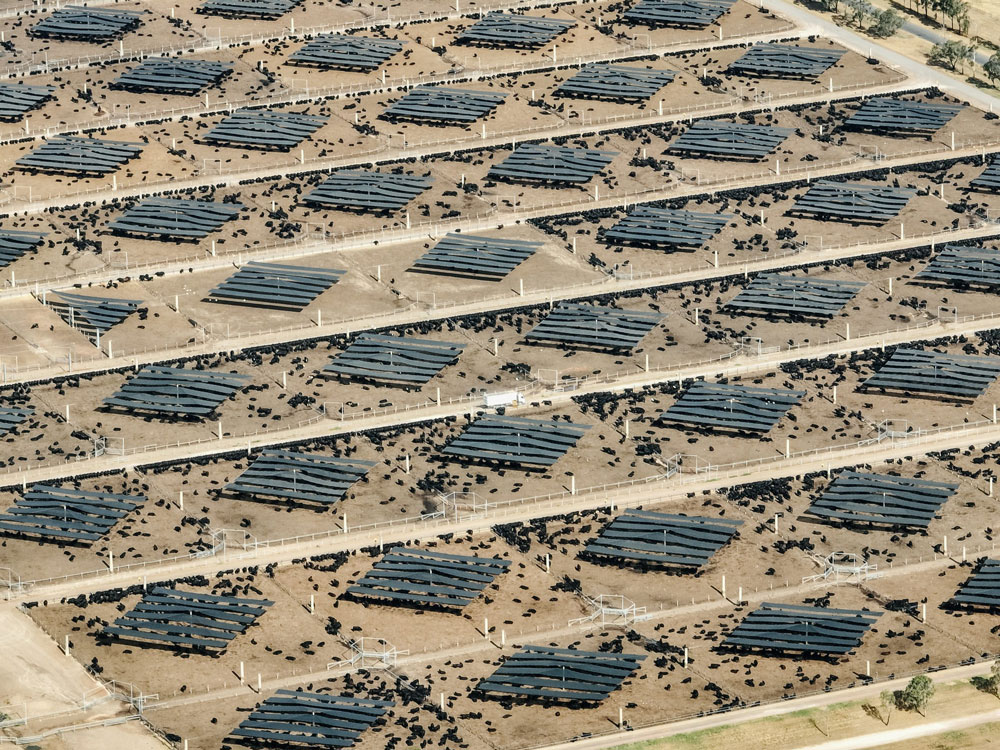
At Whyalla Beef Feedlot in Texas, QCAS upgraded compressed air supply and installed air lines supporting feed-flow controls, bunker operation and cattle-handling equipment. At Carey Bros Abattoir in Yangan, QCAS assessed energy demand, selected and installed upgraded equipment and provided ongoing maintenance. These projects show how we approach operational requirements across the complete system, from supply to the point of use.

How can installation be planned around livestock operations or processing schedules?

+

QCAS works with your team to identify critical equipment, access constraints and suitable connection or shutdown windows before installation. The plan can separate preparatory work from the final changeover where the site allows. Tell us about feeding routines, processing shifts and seasonal peaks early, so the proposed scope and programme account for the work that must keep moving. Any interruption and contingency arrangements should be agreed before work starts.

Can QCAS plan for peak demand, future expansion and process air quality?

+

We assess which tools, actuators and machines operate together, their required pressure and airflow, and how demand changes during busy periods. Planned expansion, receiver storage and distribution losses also affect the recommendation. For primary food processing, we work from your documented air-quality requirements and identify any product-contact applications before specifying compressor technology, drying and filtration. Oil-free compression alone does not address every source of contamination in a system.

What support is available after an agricultural compressed air installation?

+

QCAS supports commissioning, handover, servicing and fault finding, with maintenance planned around the equipment, run hours and site conditions. Dusty locations and seasonal workloads may require different checks from a lightly used workshop. We can also review leaks, pressure losses and changing demand as the operation grows. Send us your location, equipment details, operational priorities and project timing so we can confirm a practical installation and support scope.

Proven in feedlots and primary processing