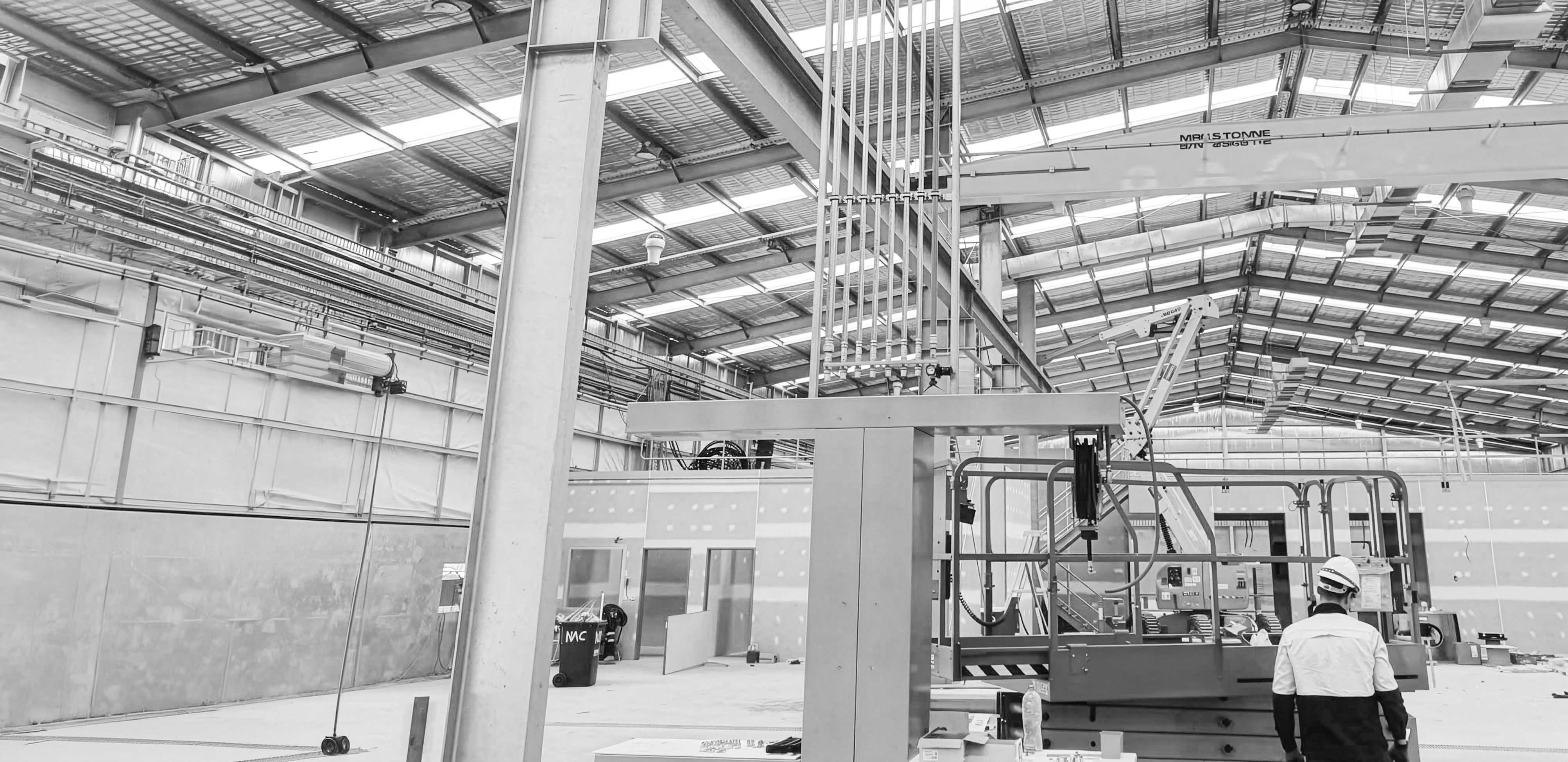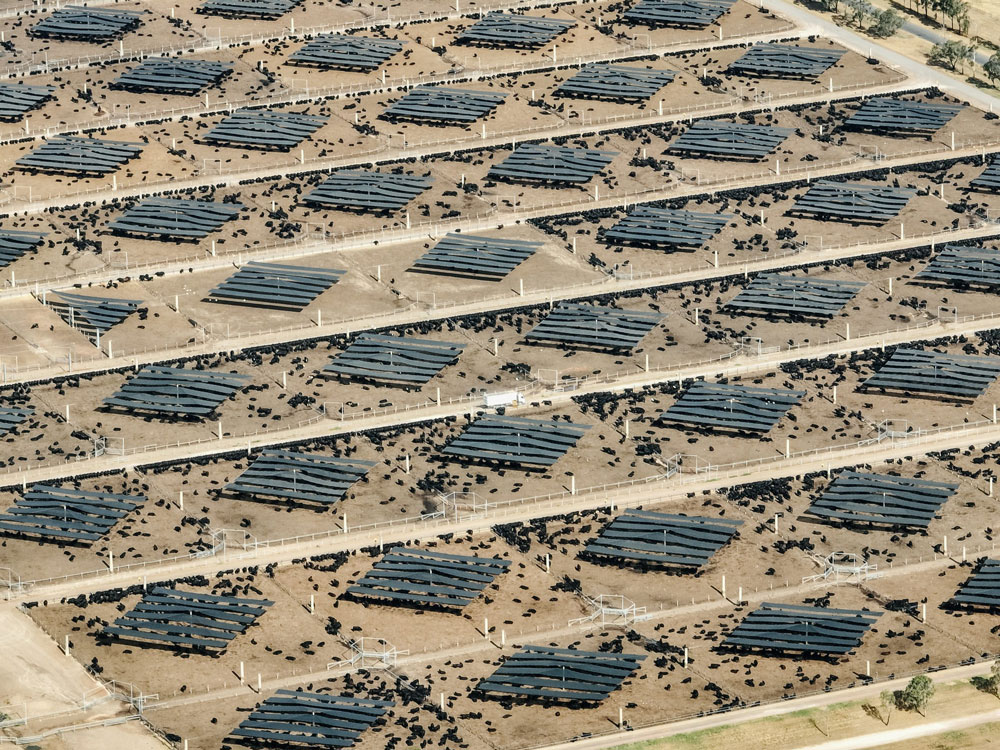
Carey Bros Abattoir

Copy Here

The Challenge

Abattoir operations rely heavily on compressed air to support processing equipment, controls, and ancillary systems. When compressed air systems are incorrectly sized, inefficient, or poorly configured, they can become a major contributor to unnecessary energy costs.

At Carey Bros Abattoir, rising power consumption highlighted the need to:

  • Understand how the existing compressed air system was performing
  • Identify inefficiencies contributing to excessive energy use
  • Implement a solution that reduced power consumption without compromising reliability
  • Ensure long-term performance through ongoing maintenance

The challenge was achieving meaningful energy reduction while maintaining the operational reliability required in a meat processing environment.

The QCAS Approach

QCAS began the project by conducting a comprehensive energy audit of the existing compressed air system to understand actual demand, system behaviour, and inefficiencies.

Based on the audit findings, QCAS:

  • Selected compressed air equipment appropriately matched to the site’s operational requirements
  • Delivered and installed the upgraded system to improve efficiency and performance
  • Ensured installation quality supported long-term reliability and correct system operation
  • Established an ongoing maintenance program to protect performance gains over time

This end-to-end approach ensured the system was not only efficient at installation but remained efficient throughout its operating lifecycle.

The Outcome

The upgraded compressed air system delivered a significant reduction in energy consumption while continuing to support abattoir operations reliably.

Key outcomes include:

  • Approximately 80% reduction in power consumption associated with the compressed air system
  • Improved system efficiency through correct equipment selection and configuration
  • Reliable performance supporting continuous meat processing operations
  • Long-term protection of system performance through ongoing maintenance
  • Reduced operating costs and improved energy efficiency outcomes

The project demonstrates QCAS’ ability to deliver measurable energy savings through proper system analysis, correct engineering decisions, and long-term maintenance support.